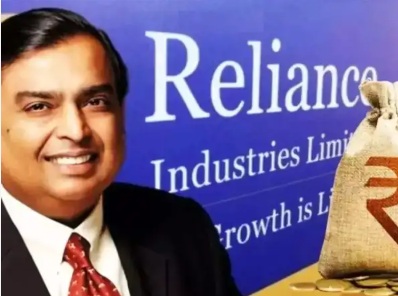
Overview of Reliance Industries and Its Oil Procurement
Reliance Industries Limited (RIL) is India’s largest listed company and a major player in the global refining sector. It holds one of the world’s largest refineries capable of processing various grades of crude oil, including some of the dirtiest (lowest quality) crude, into premium transportation fuels like petrol and diesel. This technological edge allows RIL to buy crude at competitive rates but still produce high-quality refined products.
India and China have been buying discounted Russian crude oil, especially after geopolitical tensions arising from Russia’s war in Ukraine, when Western countries including the U.S. and the EU sanctioned Russian oil imports. RIL had been sourcing about half of its crude oil imports from Russia, benefiting from significantly cheaper prices.
However, recent moves by the European Union aim to impose new sanctions that will ban diesel refined from Russian crude oil, including third-party refined products. This means even if companies buy Russian crude indirectly or refine it in another country, those diesel exports to the EU will face bans or high tariffs.
The EU Sanctions Impact: Reliance in the Crosshairs
The EU’s sanctions, set to begin early next year (January), have put Reliance in a difficult position. Roughly 20% of RIL’s diesel exports go to European countries, and these exports have grown partly due to the cheaper Russian crude allowing competitive pricing in those markets.
Now with the EU signalling tough restrictions on diesel derived from Russian crude irrespective of its import channel, Reliance is caught in a bind:
- The company must diversify its crude sources away from Russia quickly. There are indications from market sources that RIL is looking at crude from the Middle East, particularly Abu Dhabi’s Murban grade crude, which is comparatively expensive, to reduce reliance on Russian oil.
- Diversifying is costly: Murban crude and other Middle Eastern grades don’t come with the same discount as Russian crude. This raises the raw material cost for RIL and threatens to squeeze profit margins unless offset by other efficiencies.
- Shifting crude supply sources also involves logistical changes and re-optimizing refinery operations, which take time — a challenge given the short timeline before sanctions enforcement.
- The EU’s ban on diesel refined using Russian crude, including re-exported refined products, creates uncertainty and risks for Reliance’s export markets, especially Europe, which could contract or disappear.
RIL’s Refinery Capabilities and Strategic Responses
Reliance’s Jamnagar refinery complex is highly advanced and has built a reputation for processing lower quality crude oil into premium grade fuels. This contrasts with Reliance’s own oil wells that produce high-quality “Champagne” crude oil.
- The refinery’s flexibility is a strategic advantage, allowing RIL to convert various types of crude into marketable products.
- However, the EU sanctions reduce the advantage Reliance enjoyed from cheap Russian crude imports and pose significant commercial risks.
- Given the stakes, RIL’s management—headed by Mukesh Ambani—is reportedly contemplating shifting procurement focus from Russian crude to conventional Middle Eastern barrels, notably Abu Dhabi’s Murban crude.
- Market insiders speculate this strategic pivot is to minimize dependency on Russian oil and comply with upcoming sanctions, despite higher costs.
Broader Context: Geopolitical and Business Implications
Reliance’s predicament reflects how geopolitics directly impact global businesses:
- India’s government has expressed concerns about the secondary sanctions imposed by the West, including the EU, on oil imports and refinery exports, citing the need for balanced foreign policy and energy security. India emphasizes national sovereignty in trade relations.
- Reliance’s situation is emblematic of the broader challenge Indian refiners face when balancing discounted Russian crude purchases against Western sanctions and export restrictions.
- The financial markets have taken notice—after RIL’s recent financial results and this emerging geopolitical risk, the company’s shares experienced volatility. However, the market’s current sentiment, with shares up modestly after the dip, possibly reflects investor confidence that Reliance can navigate these challenges.
- The issue also underscores the global refiner industry’s dependence on complex crude sourcing and the vulnerability to geopolitical shifts and international regulatory measures.
The Economic Challenge Ahead for Reliance
- Reliance consumes about 600,000 barrels of crude daily for refining. Replacing the cheaper Russian crude with more expensive alternatives will increase raw material costs substantially.
- This cost increase threatens Reliance’s profitability unless passed on to consumers or managed through operational efficiencies.
- Given the complexity and scale of its operations, Reliance has some leverage but may face margin pressure in the short to medium term.
- Investors and stakeholders will keenly watch how Reliance’s leadership addresses these challenges in upcoming communication like its Annual General Meeting.
Summary
The European Union’s new sanctions on diesel derived from Russian crude oil have placed Reliance Industries, India’s largest listed company and one of the world’s leading refiners, in a complex and challenging position. Reliance’s significant dependence on discounted Russian crude, which has fueled profitable exports especially to Europe, is threatened by sanctions banning such diesel imports into the EU market.
Reliance is reportedly diversifying its crude sources towards more expensive Middle Eastern grades like Abu Dhabi’s Murban crude to mitigate risk, despite the increased cost and operational challenges. The company faces a critical test in balancing geopolitical realities, regulatory compliance, and its commercial interests while safeguarding profitability.
This episode highlights the intricate interplay of global energy markets, geopolitics, and multinational corporate strategy, posing important questions about India’s energy security and Reliance’s agility in a rapidly shifting landscape.