✈️ 1. The Incident: Date, Location, and Immediate Aftermath
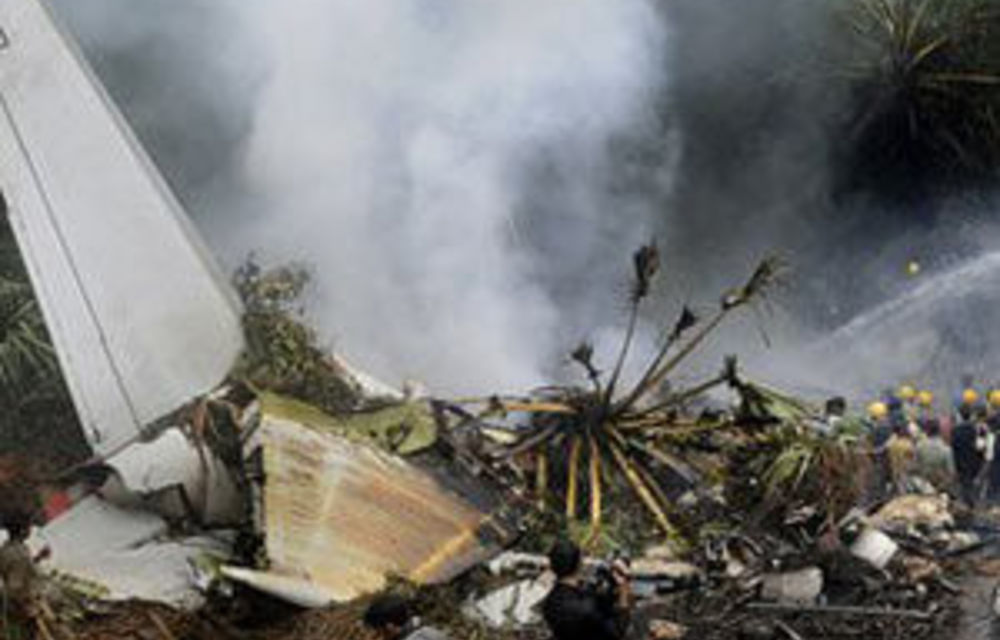
On July 24, 2025, at approximately 13:05 local time, an Antonov An‑24RV turboprop operated by Angara Airlines crashed in the rugged forests near Tynda, a remote town in Russia’s Amur Oblast bordering China. The aircraft, en route from Blagoveshchensk to Tynda—after an earlier segment from Khabarovsk—vanished from radar during its second landing attempt in poor visibility. The plane, carrying 43 passengers (including five children) and six crew members, was found burning on a mountainside about 15 km (9 miles) south of the airport. Tragically, none survived Wikipedia+14Reuters+14Indiatimes+14.
Local authorities, led by Governor Vasily Orlov, responded rapidly, deploying nearly 150 rescue personnel and 21 units to reach the site through dense forest and unpaved paths. All flights bound for Tynda were grounded, and the government launched an immediate criminal investigation on grounds of suspected air traffic violations and negligence The Washington Post.
Russian President Vladimir Putin was briefed on the tragedy, and condolences poured in—most notably from China’s President Xi Jinping, due to one Chinese national aboard The Washington Post+2Reuters+2Al Jazeera+2.
📜 2. The Aircraft: Age, History, and Registration
The ill-fated aircraft, registration RA-47315, is a Soviet-era Antonov An‑24RV, manufactured in 1976, making it nearly 50 years old Wikipedia+9The Economic Times+9Wikipedia+9. Originally operated by Aeroflot during the Soviet period, it later joined Angara Airlines, which maintains approximately 10 An‑24s built between 1972 and 1976 The Sun+13Reuters+13Firstpost+13.
Despite its age, the An‑24 remains a staple of remote Russian aviation, prized for its durability, ability to operate from unpaved runways, and capacity to endure harsh winters RadioFreeEurope/RadioLiberty+5The Economic Times+5The Guardian+5. Yet, since 2000, over 60 incidents involving An‑24s have been recorded, underlining a mixed safety history Cadena SER+15The Economic Times+15Indiatimes+15.
🌧️ 3. Weather Conditions and Approach Pattern
Meteorological reports indicate the An‑24 attempted two approaches to Tynda under low-visibility, low cloud ceilings, heavy precipitation, and possibly turbulence in mountainous terrain Wikipedia+11The Sun+11The Economic Times+11. The first landing attempt was aborted (go-around), after which the aircraft lost radar contact before the second attempt. Witnesses from rescue helicopters later reported pale smoke rising from the crash site, suggesting a post-impact fire People.com+4Reuters+4The Economic Times+4.
🎙️ 4. Preliminary Findings: Pilot Error, Mechanical Concerns, or Both?
Investigators are exploring two main immediate causes:
- Pilot error in poor visibility: State news agency TASS highlights that the crew possibly failed to adhere to minimum approach criteria and continued descent into poor weather The Economic Times.
- Potential technical malfunction, though no distress signals were received. Angara’s aircraft had documented generator failure in May 2022 and radio communication issues in March 2025—though it passed a recent technical inspection Firstpost+1The Guardian+1.
A criminal case has been opened for alleged violations of air transport rules leading to multiple deaths The Washington Post+2Reuters+2RadioFreeEurope/RadioLiberty+2.
📚 5. Historical Safety Record of the An‑24
This isn’t the first tragic accident involving an An‑24 in Russia. Notable past incidents include:
- Katekavia Flight 9357 (2010): Crashed in fog near Igarka Airport; 12 died, including passengers and crew YouTube+15Wikipedia+15Indiatimes+15.
- An‑24 crashes in Kamchatka (July 2021): An Antonov An‑26 crashed, killing all 28; the same year, another An‑26 crashed, killing six The Economic Times+6Al Jazeera+6Indiatimes+6.
- An-24 incident (May 2025): Angara flight RA-46620 had a nose gear collapse during landing—no fatalities, but flagging maintenance concerns Wikipedia+5Wikipedia+5RadioFreeEurope/RadioLiberty+5.
- Anapa mid-air collision (1976): An An‑24 and Yak-40 collided over southern Russia, killing 70 Wikipedia.
Furthermore, An‑24 family planes have experienced over 60 mishaps since 2000 Firstpost+1Indiatimes+1.
⚙️ 6. Structural & Maintenance Issues
After 2014 sanctions, Russian operators have faced restricted access to spare parts and maintenance support for Western aircraft. However, An‑24s are domestically made, so parts remain available—but reports suggest aging components, increased upkeep costs, and constraints from sanctions still affect operational readiness The Guardian.
Angara Airlines requested official approval to extend An‑24 service life beyond norms, indicating urgency due to absent modern replacements until at least 2027, when production of the new Ladoga turboprop may begin Reuters.
👨✈️ 7. Human Factors: Crew Response Under Pressure
In low visibility, pilots rely heavily on instruments and strict SOP adherence. Preliminary reports suggest:
- The crew may have continued descent below landing minima without runway visual contact.
- The second approach, without adjustments after the first, could indicate procedural lapses.
- No distress communication suggests either a sudden catastrophe or cockpit preoccupation The SunWikipedia+3Wikipedia+3The Economic Times+3.
These factors—coupled with potential fatigue or operational pressure—could have led to decision errors.
🌐 8. Broader Context: Remote Russian Aviation & “Flying Tractors”
The An‑24 is nicknamed “flying tractor” due to its robust build and ability to operate in remote, rugged areas. It remains crucial in regions where infrastructure is minimal Firstpost+2Reuters+2The Guardian+2.
However, this reliance raises red flags:
- A mixed safety record with multiple serious accidents.
- Western sanctions limiting fleet modernization.
- A domestic alternative, the Ladoga, is years away from mass deployment The Sun+2Reuters+2The Guardian+2.
Industry experts argue Russia must either retire these aging planes or intensify oversight, invest in peer reviews, and expand modern fleet options.
🔍 9. Investigation Process & Black Box Analysis
The Interstate Aviation Committee (MAK) is spearheading the investigation, having recovered both the Cockpit Voice Recorder (CVR) and Flight Data Recorder (FDR) Wikipedia+2Wikipedia+2Wikipedia+2. These black boxes are critical to determining:
- Crew actions during descent and approach.
- Aircraft system performance, engine data, hydraulic status.
- Whether the crew adhered to SOP before the final descent or breached minima.
A final MAK report is expected in the coming months, potentially prompting:
- Regulatory changes for regional aviation.
- Retirement mandates for older aircraft.
- Legal proceedings under Russia’s criminal statute for negligence.
🛠️ 10. Implications for Aviation Safety in Russia & Globally
The crash spotlights several urgent issues:
1. Aging Regional Fleet
Countries with remote regions depend on older aircraft. Without timely replacements or stringent protocols, risk increases.
2. Sanctions & Supply Chain Disruption
Russian operators struggled with engine, avionics, component shortages, limiting maintenance effectiveness ReutersThe GuardianIndiatimes.
3. Need for Modern Alternatives
New designs like the Ladoga must be expedited, or aircraft acquisition from allies considered.
4. Regulatory & Training Gaps
Standardizing training for go-around decisions, instrument flight rules, and mandatory safety audits for regional carriers are essential.
5. Public Confidence & International Perception
Such tragedies erode public trust. Press coverage underscores Russia’s struggle to modernize fleet and maintain older aircraft YouTube+2Reuters+2Wikipedia+2YouTube+8The Sun+8Wikipedia+8The Washington Post+2The Guardian+2The Sun+2.
🧭 11. What Comes Next: Recommendations
Based on emerging trends and prior investigation findings, aviation experts and regulators may consider the following:
- Mandatory phase-out of An‑24 aircraft by a set deadline.
- Enhanced oversight and safety audits for regional airlines.
- Training updates emphasizing weather-related decision-making and approach minima adherence.
- Public investment to accelerate new aircraft deployment in underserved areas.
- Stronger accident-reporting and transparency to build trust.
🙏 12. Remembering the Victims
This crash claimed the lives of 43 souls, including five children, six crew members, families, a teacher, and doctors—people traveling for work or family visits The Guardian+1The Sun+1Wikipedia+4People.com+4Cadena SER+4.
Three days of mourning were declared across Amur Oblast, and families have been offered compensation and psychological support as investigations proceed Cadena SER+6Reuters+6Wikipedia+6.
✍️ Conclusion
The July 24, 2025, crash of an Antonov An‑24RV in Siberia is a stark reminder of the dangers inherent in:
- Operating aging aircraft in remote regions.
- Conducting flights under poor weather conditions without modern support.
- Maintaining safety standards amidst economic and geopolitical pressures.
While the An‑24 once served reliably under rough conditions, its escalating risk profile calls for decisive action—through fleet modernization, training improvements, and regulatory reforms. The tragic loss of life now demands systemic change to prevent future disasters in Russia and beyond.