Introduction
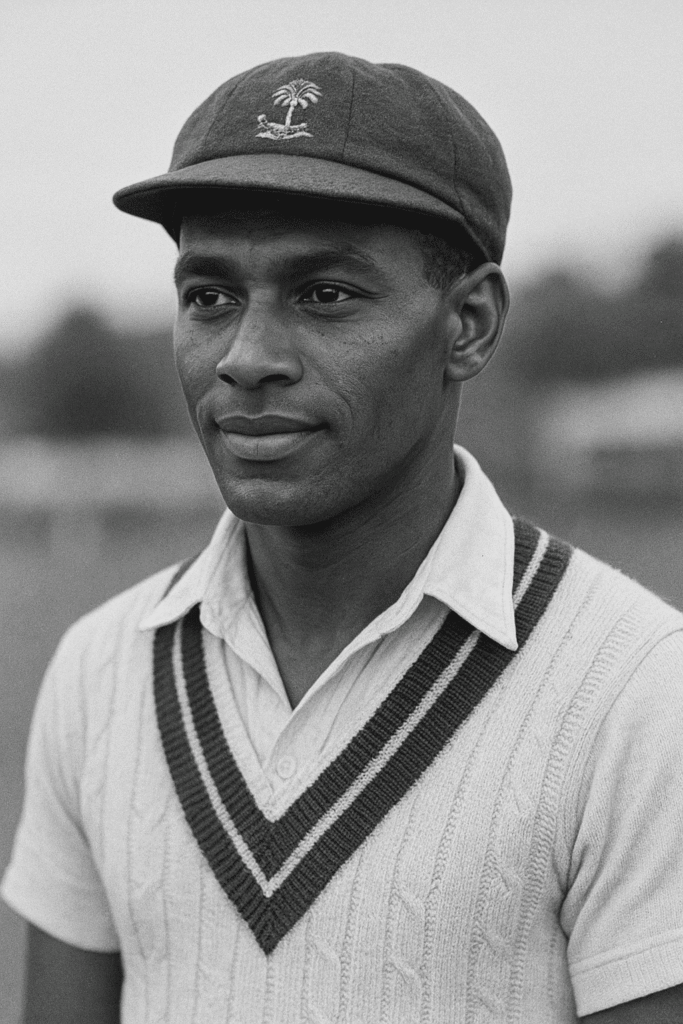
Sir Clyde Leopold Walcott is widely regarded as one of the greatest West Indian cricketers and a pivotal figure in the history of international cricket. Born on January 17, 1926, in Barbados, Walcott’s cricketing career spanned from 1948 to 1960, after which he continued to contribute to the world of cricket as a manager and administrator. His superb batting, tactical acumen, and leadership helped shape West Indies cricket’s identity during the mid-20th century and beyond. As we stand in 2025, the legacy of Sir Clyde Walcott remains deeply relevant—not only within cricket but also in the broader context of sports administration, racial equality, and cultural empowerment. This blog explores his life, achievements, and why his influence is still significant in 2025.
Early Life and Cricketing Debut
Clyde Walcott’s cricket journey began remarkably early. At just 16 years old, he debuted for Barbados in first-class cricket in 1942. A key moment came in 1946, when Walcott scored an unbeaten 314 runs against Trinidad, forming a world-record partnership of 574 runs for the fourth wicket alongside his school friend Frank Worrell. This record in first-class cricket stood as a hallmark of his prodigious talent.
Walcott made his Test debut in January 1948 against England in Bridgetown. Standing tall and powerfully built (about 15 stone and 6’2″), he displayed a striking ability to play powerful strokes from a crouched stance, excelling particularly with back-foot shots like the pull and cut. Interestingly, he was also a wicketkeeper in his early Test matches—an unusual combination showcasing his versatility.
The Three Ws: Walcott, Worrell, and Weekes
Sir Clyde Walcott was part of the legendary batting trio famously known as the “Three Ws,” alongside Everton Weekes and Frank Worrell, who collectively raised West Indian cricket to international prominence in the 1950s. This trio helped the team assert a unique Caribbean identity, breaking free from colonial shadows, showcasing flair, resilience, and an aggressive yet elegant style of play.
Walcott’s records include:
- 44 Tests
- 3,798 runs at an impressive average of 56.68
- 15 centuries with a highest score of 220
- Known for scoring five centuries in a single Test series against Australia in 1955, a record at the time, amassing 827 runs in 10 innings during that series alone.
Highlight Performances and Milestones
- His 168* at Lord’s during the 1950 England tour was pivotal in leading West Indies to their first-ever Test victory on English soil, a moment celebrated as historic in cricket lore.
- Against Australia, he scored centuries in both innings of multiple Tests, a feat that challenged even the finest bowlers of that era such as Ray Lindwall and Richie Benaud.
- He displayed remarkable versatility, shifting from wicketkeeping duties to focusing solely on batting, and later became a deft slip fielder and occasional fast-medium bowler.
Post-Retirement Contributions
After retiring from active play, Sir Clyde Walcott’s influence grew through cricket administration and advocacy. He served as the manager of West Indies teams during their triumphant 1975 and 1979 Cricket World Cups. Walcott was an instrumental figure in consolidating the West Indies’ reputation as a cricketing powerhouse.
His administrative roles extended into influential positions such as:
- Senior Vice-President of the Barbados Cricket Association
- Past President of the Barbados Employer’s Confederation and Guyana Cricket Control Board
- Chairman of the International Cricket Council (ICC) in 1992, becoming the first Black man to hold this esteemed position, an important milestone in the sport’s governance and racial progress.
Sir Clyde Walcott’s Social and Political Influence
Walcott’s impact transcended sports, as he was also a vocal advocate for Black consciousness and social reform. In the mid-20th century, cricket became a platform for political activism in the Caribbean, challenging colonial legacies and promoting racial equality. Walcott’s leadership contributed to using cricket as a tool for social transformation.
He worked closely in Guyana’s sugar estates, improving living conditions and self-esteem for workers while nurturing cricketing talent, playing a vital role in community upliftment through sports.
Recognition and Honors
- Knighted in 1993 for his services to cricket
- Awarded the OBE (Order of the British Empire)
- Recipient of the Golden Arrow of Achievement from Guyana
- Wisden Cricketer of the Year in 1958
- Inducted into the ICC Cricket Hall of Fame in 2025, reaffirming his legacy in the modern era
The Importance of Sir Clyde Walcott in 2025
As the world of cricket and society evolve, the legacy of Sir Clyde Walcott holds increasing relevance for several reasons:
Cricketing Excellence Inspiration
In 2025, emerging cricketers look back to Walcott’s technical prowess, mental strength, and consistency as a benchmark for excellence. His elegant yet powerful batting technique continues to guide coaches and players striving to master the art of batting.
Championing Diversity and Leadership
Walcott’s role as the first Black chairman of the ICC symbolizes breaking racial barriers in global sports management. His leadership sets a precedent encouraging diversity and inclusion in sports governance, inspiring present-day administrators to promote equality.
Social Justice and Sports as Change Agents
With sports increasingly recognized for their social impact, Walcott’s advocacy for racial equality and community upliftment resonates strongly today. His example underscores how sports can be a catalyst for societal change beyond entertainment.
Cultural Identity and Caribbean Pride
In an era where preserving cultural heritage is vital, Walcott’s embodiment of West Indian cricketing pride strengthens Caribbean identity. His life story fuels the collective memory and pride among Caribbean communities worldwide.
Modern Cricket Administration Lessons
Walcott’s administrative legacy offers learning for managing sports teams with vision and integrity. His success in managing World Cup-winning teams provides a blueprint for leadership, team dynamics, and strategic planning relevant for 2025 and beyond.
Conclusion
Sir Clyde Walcott’s remarkable career as a player, manager, and cricketing statesman has left an indelible mark on the sport and society. From his world-record partnerships on the field to his groundbreaking role in sports governance, Walcott embodies excellence, leadership, and social progress.
In 2025, his legacy inspires not only cricketers and sports administrators but also advocates for racial equality and cultural pride across the globe. Remembering and celebrating Sir Clyde Walcott is crucial for understanding the evolution of cricket as a sport and as a powerful social institution.
His story is a testament to how dedication, skill, and principled leadership can transform sports and societies alike.