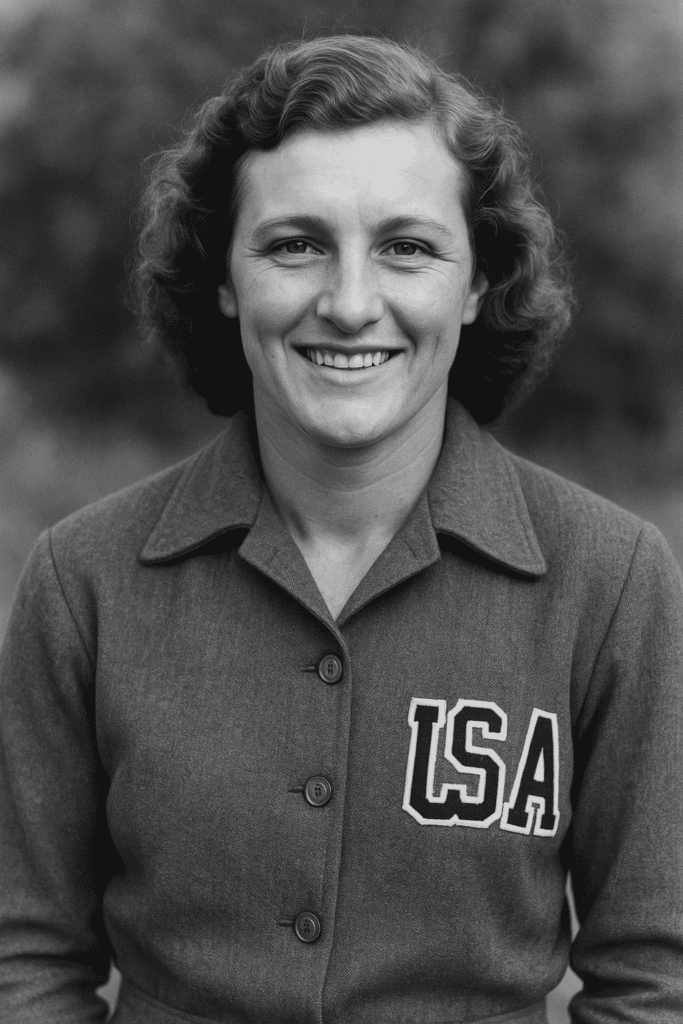
Mildred Ella “Babe” Didrikson Zaharias stands as an everlasting beacon of sporting excellence, a game-changer for women in athletics, and a relentless competitor whose prowess redefined what female athletes could achieve. Her life (1911–1956) is an odyssey through the athletic landscapes of basketball, track and field, baseball, and most notably, golf, where her legacy continues to inspire new generations. This comprehensive blog delves into her origins, her myriad achievements, and her enduring influence—with a deep focus on SEO optimization—ensuring her story reaches everyone searching for the greatest female athlete in history.
Early Life: Humble Beginnings and the Making of an Athlete
Babe Didrikson Zaharias was born on June 26, 1911, in Port Arthur, Texas, to Norwegian immigrant parents Ole and Hannah Didriksen. Her mother’s skills in skating and her father’s craftsmanship seeded an environment ripe for athletic growth. The family moved to Beaumont, Texas, in 1915, fostering in their children a love for sport with backyard gym equipment crafted by Ole.
From a young age, Babe’s competitive streak was clear. Playing baseball in her neighborhood, she was soon dubbed “Babe” due to her formidable batting—evoking the legendary Babe Ruth. This spark ignited her multifaceted athletic journey, propelling her into basketball in her teens and later, track and field, where her prowess knew no bounds.
Rising Through the Ranks: Basketball and AAU Triumphs
Babe’s first major break came as a basketball star at Beaumont Senior High School. Her remarkable skills caught the eye of Melvin J. McCombs, coach of the Employers Casualty Company of Dallas’s semiprofessional team, the Golden Cyclones. Recruited in her senior year in 1930, Babe helped lead the Golden Cyclones to multiple national championships, being voted All-American each year. Her All-American status cemented her reputation as a force to be reckoned with and paved the way for her shift to track and field.
A Track and Field Phenomenon: The 1932 AAU and Olympics
Babe’s versatility was spotlighted at the 1932 Amateur Athletic Union (AAU) Championships. She astonishingly entered eight out of ten events—often as a one-woman team—scoring thirty points and beating entire teams singlehandedly, setting four world records in one afternoon. Such dominance qualified her for the 1932 Los Angeles Olympics, where she clinched:
- Gold in Javelin: With a distance of 143ft 4in, shattering records.
- Gold in 80m hurdles: Breaking the world record twice, finishing in 11.7 seconds.
- Silver in High Jump: Controversially awarded despite tying for first, her innovative technique deemed illegal at the time.
Her Olympic feats garnered international fame, breaking barriers and challenging the expectations for women in sport.
The Transition to Golf: Breaking New Ground
While her feats in track and field captured headlines, Babe’s foray into golf carved out an even more monumental legacy. Facing the era’s intense gender discrimination and skepticism about female golfers, Babe steamrolled through the sport:
- First American to win the British Women’s Amateur Golf Tournament.
- Winner of 82 professional and amateur tournaments.
- Seventeen consecutive tournament wins between 1946–47, a record that stands to this day.
- Co-founder of the Ladies’ Professional Golf Association (LPGA), 1950.
She also holds the note of being the first woman to play in a men’s PGA event, an incredible milestone that challenged the status quo and expanded opportunities for women athletes.
Facing Adversity: The Battle with Cancer
Babe’s athletic tenacity mirrored her personal courage. In 1953, she was diagnosed with colon cancer and underwent serious surgery, including a colostomy. Defying medical odds, she returned to competitive golf only a few months later and won the U.S. Women’s Open in 1954 by a staggering twelve strokes—while still recovering and playing with a colostomy bag. Her triumph highlighted her indomitable willpower and made her the second-oldest woman to win a major LPGA event at that point.
Leadership and Legacy: Shaping the Future of Women’s Sports
Babe Didrikson Zaharias wasn’t just a champion on the field; she was also a leader and advocate. She served as LPGA president (1952–55), spearheading the growth of women’s golf and helping formalize professional opportunities for female athletes. Her efforts fostered future generations of women athletes, transforming prejudice into progress.
Her battle with cancer didn’t deter her humanitarian focus. With her husband, George Zaharias, she established the Babe Zaharias Fund to support cancer clinics and treatment. Her openness in discussing her illness was groundbreaking, raising awareness and reducing stigma.
Awards, Accolades, and Lasting Recognition
Babe’s trophy cabinet and honors list are difficult to rival:
- AP Woman Athlete of the Year—six times: 1932, 1945, 1946, 1947, 1950, 1954.
- Woman Athlete of the Half-Century by the Associated Press, 1950.
- 17 consecutive golf tournament wins (1946–47).
- LPGA Hall of Fame inductee (1951), National Women’s Hall of Fame (1976), U.S. Olympic Hall of Fame (1983), Colorado Women’s Hall of Fame (2008).
- Bob Jones Award by the USGA, 1957 (posthumous).
- Presidential Medal of Freedom, 2021 (posthumous).
- A commemorative U.S. stamp, 1981 and museums in her honor in Texas and Colorado.
Beyond the Scoreboard: The Personality and Impact of Babe Zaharias
Babe’s physical prowess was matched by her larger-than-life personality and competitive charisma. At 5’7” and 115lb, she exuded energy, breaking gender norms around female athleticism with confidence and wit. She was often criticized for appearing “too masculine” but transformed such stereotypes by championing strength and authenticity in women’s sport.
Her dedication to practice, endless work ethic, and never-say-die attitude inspired admiration among fans and fellow athletes alike. Babe’s story is one of transformation—from a shy child in Texas to an internationally acclaimed sportswoman who turned adversity into opportunity.
Continuing Legacy: Influence on Women’s Sports
Babe’s reach continues to resonate. Her foundation, the museums, and the landmarked golf courses named in her honor celebrate her incredible journey. Her inclusion in the Legacy Walk commemorates her influence in the LGBTQ+ community, acknowledging her trailblazing role not just as an athlete, but as an icon for representation in sport.
As a role model, Babe Didrikson Zaharias embodied perseverance, competitive fire, and social progress. Breaking athletic records was just the beginning; she broke through the very barriers of societal expectation, ensuring that those who followed could dream bigger and achieve more.
Conclusion
Babe Didrikson Zaharias’s life is not just a chronicle of medals and records; it’s an epic journey of resilience, vision, and change. Each achievement added bricks to the foundation of modern women’s sports. From sandlots in Texas to Olympic podiums and beyond, Babe’s story epitomizes the triumph of spirit—a narrative that’s vital not just for sports fans, but for all who believe in challenging limits.
Discover, celebrate, and share the legacy of Babe Didrikson Zaharias—a true champion whose influence will never fade from the chronicles of athletic history.