Introduction
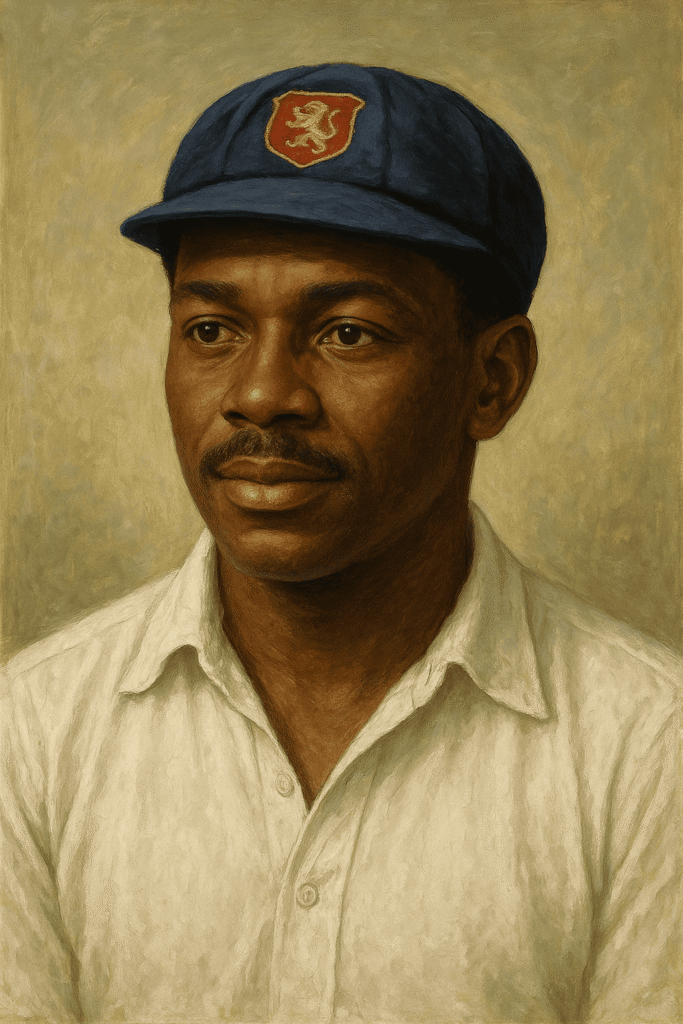
In the dynamic landscape of cricket, Sir Everton Weekes remains a luminous constant, a benchmark for greatness even in 2025. His legacy radiates beyond statistics, shaping the fabric of global cricket culture and inspiring new generations to aspire, achieve, and transform society at large. For fans, historians, and progressive thinkers, Weekes is not only a legendary batsman but a symbol of hope, resilience, and social change.
The Early Life: Roots of Greatness
Born on February 26, 1925, in Bridgetown, Barbados, Everton Weekes grew up in poverty, residing in a wooden shack and battling the challenges of a colonial society. Named after the famed English football club Everton, he showed athletic prowess in multiple sports, including football, but cricket became his true calling.
Weekes’ rise wasn’t merely technical—it was revolutionary. He volunteered at the iconic Kensington Oval and joined the Barbados Defence Force to become eligible for club cricket. The grit and humility he displayed in those formative years would mold his future both on and off the pitch.
The “Three Ws”: Shaping West Indies Cricket’s Golden Era
In the 1940s and 1950s, Weekes—along with Sir Frank Worrell and Sir Clyde Walcott—formed the iconic “Three Ws.” These three Barbadian neighbors, all born within 18 months and a few miles of each other, debuted together in 1948, changing West Indies cricket forever.
Their partnership transcended boundaries. Through breathtaking performance and quiet defiance of racial prejudice, they became champions—both on the field and in the struggle for social justice. Weekes, the most prolific batsman of the trio, set a standard that remains unmatched decades later. Their friendship was legendary, with joint piano and jazz sessions providing relief from the rigors of county cricket.
Everest in Numbers: Records That Defy Time
Sir Everton Weekes’ achievements are etched indelibly into cricket’s history:
- 48 Tests from 1948-1958
- 4,455 Test runs at an average of 58.61, the highest among the Three Ws and one of the top ten averages globally for players with 25+ Tests
- 15 Test centuries
- World record five consecutive Test hundreds in 1948
- 12,010 first-class runs at 55.34
- Fastest to 1,000 Test runs in 12 innings, one fewer than Don Bradman
- Partnership record: 338 runs with Worrell versus England (1954), still West Indies’ best for the third wicket
Weekes’ technical mastery—a balance of patience, aggression, and grace—was complimented by his steely mental resolve. Denis Compton famously said Weekes’ innings was “the innings of a genius,” backing up the respect Weekes commanded among peers and opponents alike.
Social Progress and Beyond the Boundary
Weekes’ legacy extends far beyond runs and centuries. The postcolonial context of his career meant each boundary was a step toward equality. The “Three Ws” broke entrenched racial barriers in Caribbean sport, carving a pathway for future black leaders inside and outside cricket.
He stood up gracefully against racial injustice. Incidents, like being excluded from social events hosted by white teammates, did not mar his spirit; instead, they steeled his resolve to succeed and advocate for Harmony and change.
Contributions Off the Field: Coach, Ambassador, Reformer
After retiring, Weekes served as:
- Head coach for Canada’s World Cup squad (1979)
- ICC match referee
- Analyst on regional and international media
- Mentor to scores of young Caribbean cricketers, instilling values of sportsmanship and resilience
His influence cascaded through generations; whether nurturing talent or lending his vision to the global cricket community, Weekes remained a steadfast advocate for growth, integrity, and racial equality.
Why Weekes Matters in 2025: Timeless Relevance
Though Weekes passed away in July 2020, his playbook for excellence and dignity is evergreen in 2025:
- Contemporary cricketers and coaches study his batting technique and mental discipline.
- His records are still unbroken, making him a topic of statistical and historical debate, especially the five consecutive Test hundreds.
- His social activism shapes contemporary cricket conversations about race, equity, and leadership.
- Cricket institutions, global sports platforms, and educators invoke his legacy while advocating for diversity and inclusion.
Weekes serves as a beacon for young players seeking inspiration amid societal upheaval. His story—overcoming humble circumstances, breaking paradigms, and striving for social progress—aligns perfectly with the spirit of modern cricket as a tool for personal and cultural transformation.
Weekes Today: Celebrated and Remembered
In 2025, anniversaries of the “Three Ws,” cricket documentaries, museum exhibits, and social campaigns continually renew interest in Weekes. His milestones are highlighted during Test matches, educational programs, and community events. His name adorns stadiums, scholarships, and cricketing awards, ensuring perpetual relevance.