Introduction
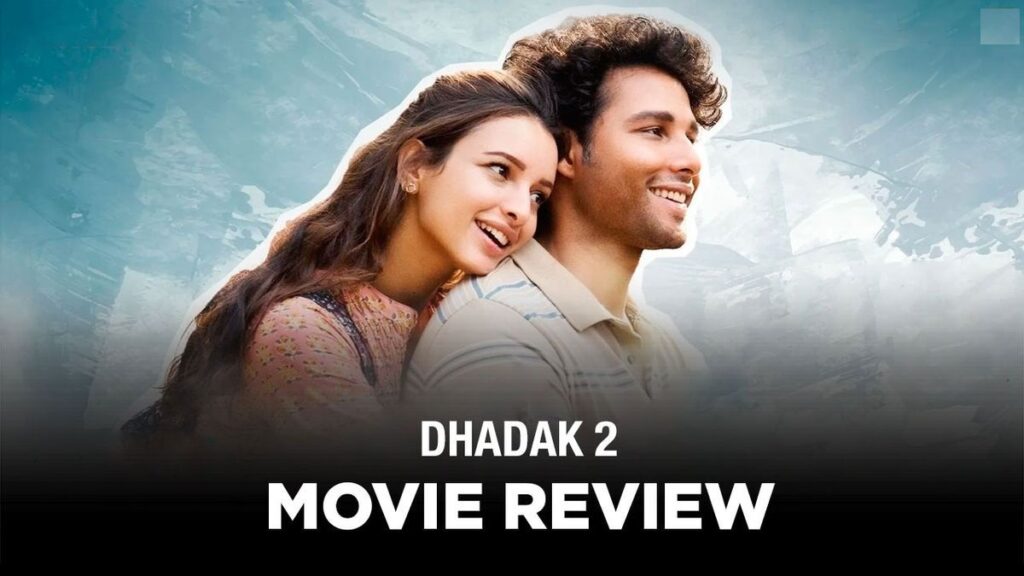
Indian cinema has always been a melting pot of emotions, stories, and the reflection of society’s many layers. With each passing year, Bollywood looks for inspiration not just within but also outside its own creative boundaries, often delving into regional cinema to bring powerful stories to a broader audience. The newest example on this front is “Dhadak 2”—a remake of the acclaimed Tamil film “Pariyerum Perumal.” Starring Siddhant Chaturvedi and Triptii Dimri, Dhadak 2 brings a blend of romance, survival, and a striking socio-political narrative.
A Glance Back: The Legacy of the Original
Before understanding Dhadak 2, it’s crucial to acknowledge the weight of its predecessor, Pariyerum Perumal, which once topped IMDb’s Indian rankings. The original, while never sent for an Oscar, shook viewers with its authentic portrayal of caste-based discrimination and the grim realities faced by the marginalized.
We point out that those enamored by simple Bollywood love stories would have been profoundly moved, perhaps even traumatized, by the original. It was not just a love story—it was a disturbing yet necessary mirror to society, exposing brutality and prejudice in a way that few films dared.
Storyline: Beyond Romance
Many might mistake Dhadak 2 for just another romantic drama, but as Deeksha notes, this assumption is misleading. The film is, at its core, a dark exploration of social divisions, criminal psychology, and the consequences of hatred.
- Setting: The narrative starts in a seemingly ordinary college, introducing us to new friends, young love, and fresh dreams.
- Central Conflict: The protagonist’s surname becomes a barrier, symbolizing lifelong stigma and social exclusion.
- Themes: Caste discrimination, systemic violence, and survival are at the forefront. The film escalates from subtle bias to shocking crime and violence.
Dhadak 2 as a “warning”—a hard-hitting tale that doesn’t shy away from cruelty or pain. The romantic angle is intricately woven into the broader theme of survival, making the film relevant to audiences beyond just young lovers. “This is a movie every parent should see,” she insists, emphasizing its capacity to spark deep reflection and dialogue.
The Villain: An Unexpected X-Factor
What sets Dhadak 2 apart is its “spine-chilling” villain. Without giving away spoilers, we reveal that the antagonist’s portrayal is so intense that it overshadows conventional Bollywood villains. The film’s approach to evil is psychological, offering a glimpse into the mindset of someone willing to kill, making viewers ponder the roots of crime and the indoctrination of hate.
Performances: Casting and Chemistry
Siddhant Chaturvedi and Triptii Dimri, as the leads, deliver performances that Deeksha finds “real and natural.” The pair’s chemistry doesn’t feel fabricated, a refreshing change in an industry where melodrama often trumps believability. Supporting actors also strengthen the film’s core, particularly the actor playing the villain, whose haunting screen presence leaves a lasting impression.
Emotional Range: What to Expect
Deeksha highlights the range of emotions that the film demands from its viewers: fear, love, anger, and a thirst for justice. In just over two hours, the audience is taken on a rollercoaster ride, feeling the weight of social injustice and the hope that things can change.
This intensity is what makes Dhadak 2 distinctive. “Those who can relate to caste discrimination will find this film especially personal,” Deeksha says. It doesn’t just entertain—it compels viewers to confront uncomfortable truths about society.
Realism in Presentation
Unlike typical Bollywood dramas, Dhadak 2 keeps song sequences simple and focuses on delivering dialogues and scenes that hit hard. The language and interactions are unvarnished, boosting the film’s authenticity. Some may find certain scenes disturbing or even hard to believe—that’s precisely the point. The movie is meant to shock and awaken.
Critical Assessment: Strengths
- Impactful Casting: The leads fit their roles, and the casting of the villain is a masterstroke.
- Emotional Depth: The film effectively invokes empathy, fear, and awareness.
- Relevance: By adapting a regional story for a national audience, Bollywood gives crucial visibility to important issues.
- Bold Subject Matter: Tackling caste discrimination and violence is an act of courage for mainstream cinema.
Critical Assessment: Weaknesses
- Remake Fatigue: We deduct points for the lack of originality, suggesting that new stories should be told rather than constantly remaking existing ones.
- Execution: Certain dramatic moments lack the punch of the original. The transformation of character names, for example, does not always land with the intended impact.
- Comparison with Original: Those who saw Pariyerum Perumal might find the emotional resonance diluted in the remake.
Songs and Entertainment Quotient
Despite the heavy subject matter, Dhadak 2 does include musical elements typical of Bollywood. The songs are simple but effective, blending seamlessly into the film without detracting from the central narrative. These numbers provide moments of respite amidst the tension.
Bold Move by Bollywood
The Bollywood industry for choosing to adapt a story that shuns glamour in favor of gritty realism. This move, she says, sets Dhadak 2 apart from run-of-the-mill romantic films. The movie avoids cheap thrills—like unnecessary wardrobe changes or stylized heroism—and instead presents a raw portrayal of struggle and resilience.
Why Should You Watch Dhadak 2?
- If you are a fan of socially conscious cinema, Dhadak 2 is a must-watch.
- For those interested in understanding the realities of caste-based discrimination, the film offers a rare, unfiltered perspective.
- If you love intense performances and stories with real stakes, you will be gripped by the film’s narrative twists.
- It is also an educational film for parents, sparking conversations about prejudice, hate, and survival.
Should You Watch the Original or the Remake?
We candidly recommends that cinema lovers should make an effort to watch the original for its sheer intensity. However, we concede that the remake does bring its own merits, especially for audiences unfamiliar with regional language films. Ultimately, both versions serve to push crucial conversations into the mainstream.
Final Rating and Takeaway
- Rating: Dhadak 2 receives 3 out of 5 stars from us strong casting, impactful scenes, and emotional resonance as positives. The remake’s lack of novelty and less effective adaptation of some scenes are counted as negatives.
- Advice: Whether you like or dislike the film, Dhadak 2 is not what you expect at first glance. It challenges perceptions and inspires debate—a hallmark of good cinema.
Conclusion
Dhadak 2 is more than a mere love story—it is a mirror to the discrimination and violence that remain hidden in plain sight in modern India. With powerful performances, a gripping narrative, and a willingness to address uncomfortable issues, the film stands as a unique offering in mainstream Bollywood. The remake might not match the original blow for blow, but its existence is justified if it brings even a fraction of the original’s message to the masses.
Whether you’re seeking entertainment, social commentary, or a conversation starter, Dhadak 2 delivers. Watch it with an open mind, and be prepared to experience a story that will linger long after the credits roll.