On special days or major observances, traffic police in India, including Kerala, rigorously operate breathalyzer machines to monitor alcohol consumption among drivers. The very mention of a breathalyzer—known locally as ‘breath analyzer’—often sends a shiver down drivers’ spines, especially when the fan in the testing device whirs fast, indicating a high blood alcohol concentration (BAC) reading. These machines are strategically used on specific days that are notorious for heavy alcohol consumption and festive traffic movement.
However, what happens when the breath analyzer indicates intoxication even when the driver claims to be sober?
A Regular Test at Kerala’s Pandalam ST Depot
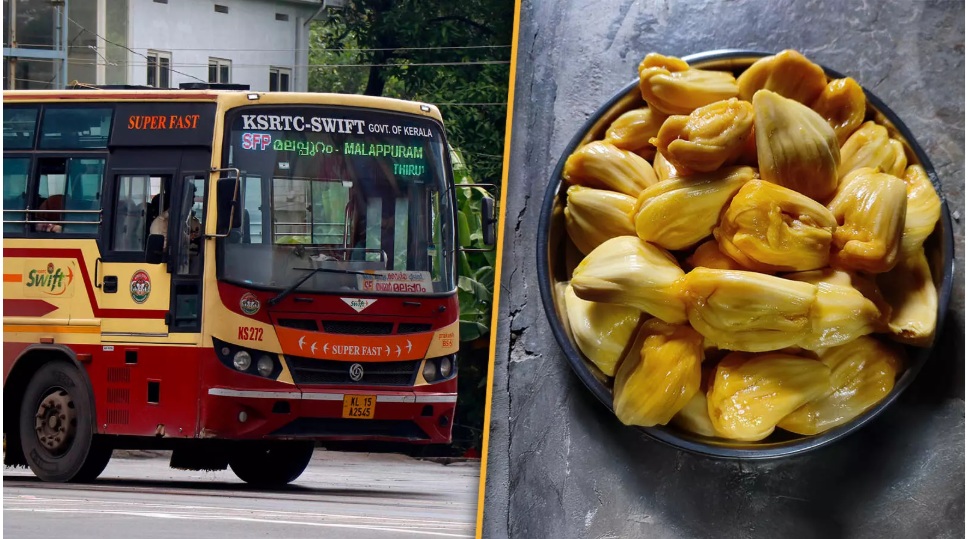
At the Pandalam ST (State Transport) Depot in Kerala, routine breath tests are conducted on drivers to ensure road safety and prevent alcohol-impaired driving. In a recent test, three drivers were asked to blow into the breathalyzer as usual. To their surprise and confusion, the breathalyzer readings jumped straight from the lowest measurable level to the highest, suggesting all three had consumed alcohol.
The drivers protested vehemently, asserting that they had not consumed any alcohol at all but had only eaten jackfruit (referred to as fanasa in Malayalam). This claim cast doubt and suspicion because the breathalyzer readings were unmistakable. How could eating a fruit result in a positive alcohol test?
The Jackfruit Effect: An Unexpected Culprit
Interestingly, certain fruits like jackfruit are known to contain natural sugars that can ferment and produce trace amounts of alcohol in the mouth or digestive system. This phenomenon can sometimes interfere with breathalyzer readings, which are designed to detect ethanol molecules. The drivers’ explanation introduced a fascinating angle: the “Jackfruit Effect.”
When jackfruit ferments slightly within the mouth or stomach, it can produce enough ethanol vapor to be detected by sensitive breathalyzers, thereby triggering false positives in alcohol testing. This was, colloquially, referred to as a “game” or puzzle in the video, illustrating how the drivers managed to clear their names despite an initial incriminating test result.
Why This Matters: Safety, Accuracy, and Fairness
Breathalyzers are critical tools in enforcing laws against drunk driving, promoting road safety, and preventing accidents. However, incidents like this highlight the limitations and vulnerabilities of such technology. False positives fueled by natural food fermentation raise questions about:
- The accuracy of breathalyzers when external factors, such as diet, can lead to skewed results.
- Protocols for validating positive readings with confirmatory tests or alternative methods (e.g., blood tests).
- The importance of driver education and awareness about foods or substances that might influence breathalyzer outcomes.
Lessons from the Kerala Incident
- Routine Testing Is Crucial: At places like the Pandalam ST depot, consistent breath testing ensures drivers on public transport are sober and safe, providing a safer travel environment for the public.
- Awareness of False Positives: Drivers and authorities alike must be aware of the potential for non-alcoholic substances like jackfruit to affect breathalyzer results. Such knowledge can prevent unjust accusations.
- Need for Confirmatory Testing: When breathalyzer results are questioned, confirmatory testing methods such as blood alcohol concentration (BAC) tests can provide more definitive evidence.
- Technological Improvement: Manufacturers might explore enhancing breathalyzer specificity to detect and exclude substances that mimic alcohol signatures inaccurately.
- Communication and Trust: Proper explanation and trust between drivers and law enforcement can help quickly resolve situations where breathalyzer results are unexpectedly high.
Cultural and Practical Context
In Indian transport contexts, especially in Kerala, where large numbers of state transport buses run daily and conductors and drivers work long hours, routine breathalyzer tests are a preventive measure to ensure peak alertness and safety.
This particular case also highlights a lighter cultural note: the jackfruit, a common and beloved fruit in Kerala, becoming part of a “game” or puzzle to solve an initially confusing scenario around alcohol testing.