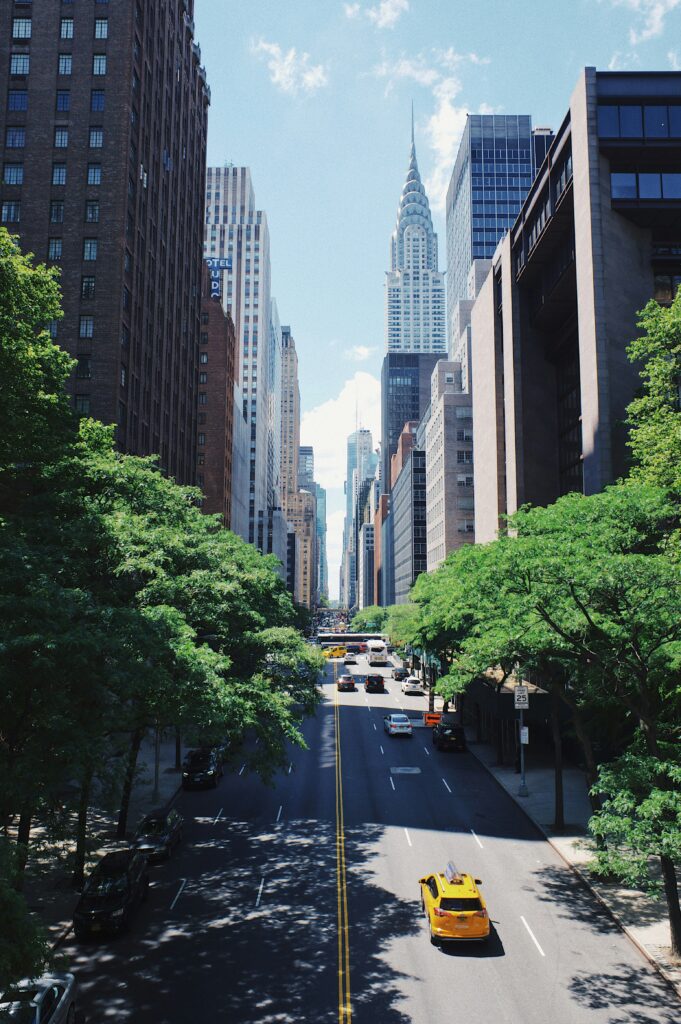
New York City, often hailed as the epicenter of ambition, a global stage for entertainment, a titan of finance, and a vibrant crucible of culture, owes its very essence to a continuous influx of diverse peoples. From its humble beginnings as a Dutch trading post to its current status as a bustling metropolis, the narrative of New York is inextricably linked to the stories of countless immigrants who sought a new life on its shores.
From New Amsterdam to Global Financial Powerhouse:
The genesis of this iconic city dates back to 1624, when Dutch settlers established a strategic trading post called New Amsterdam in what is now Battery Park. Their foresight in choosing a location by the Hudson River was pivotal, enabling seamless trade routes with Europe and fostering crucial exchanges with Native American communities, primarily for valuable furs. This early emphasis on commerce set the trajectory for New York’s future. The city’s destiny as a financial capital was further solidified in 1664 when the British assumed control, rebranding it “New York” in honor of the Duke of York.
Even in its nascent stages, New York was intrinsically driven by the spirit of enterprise, a characteristic that would eventually propel it to become the undeniable financial capital of the world. A significant historical footnote underscores this capitalist ethos: the Dutch West India Company, as early as 1602, pioneered the concept of modern stock trading with its groundbreaking initial public offering . This early innovation laid the fundamental groundwork for the city’s enduring capitalist model, fostering a dynamic environment where ambition and financial ingenuity could thrive.
Revolution, Rebirth, and the Call for Labor:
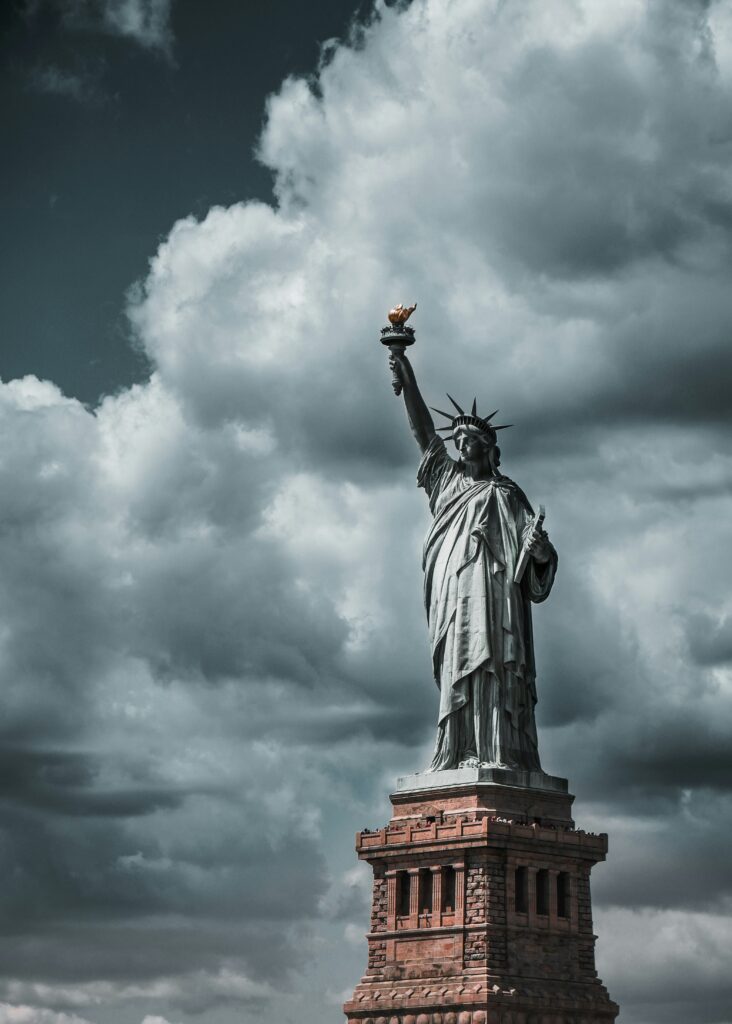
New York City’s role in the birth of the United States was far from peripheral. It served as a pivotal battleground and a hotbed of political resistance during the tumultuous American Revolution . The echoes of revolutionary fervor resonated through its streets, shaping its identity as a city of resilience and defiance. Following the hard-won independence, New York City held the distinct honor of hosting the inauguration of George Washington as the first U.S. President at Federal Hall, and it proudly served as the nation’s capital from 1785 to 1790.
The post-revolutionary era presented a monumental task: rebuilding and investing in a nascent nation. To accomplish this, New York heavily relied on the strength and dedication of European immigrants, who provided the essential labor force needed to reconstruct and expand the burgeoning city . This period marked the beginning of a profound demographic shift that would forever alter the city’s character.
Waves of Humanity: Shaping the City’s Mosaic:
The 19th and early 20th centuries witnessed an unprecedented influx of European immigrants into New York City. Driven by a complex array of factors, including persecution, widespread poverty, and political instability in their homelands, individuals and families from Italy, Ireland, Eastern Europe, and Germany embarked on the arduous journey across the Atlantic. Their first glimpse of America was often the majestic Statue of Liberty, a beacon of hope and a promise of freedom, before being processed at the iconic Ellis Island . By the turn of the 20th century, in 1900, New York City had burgeoned into a colossal melting pot, home to approximately 3.5 million immigrants, each bringing their unique heritage, skills, and dreams.
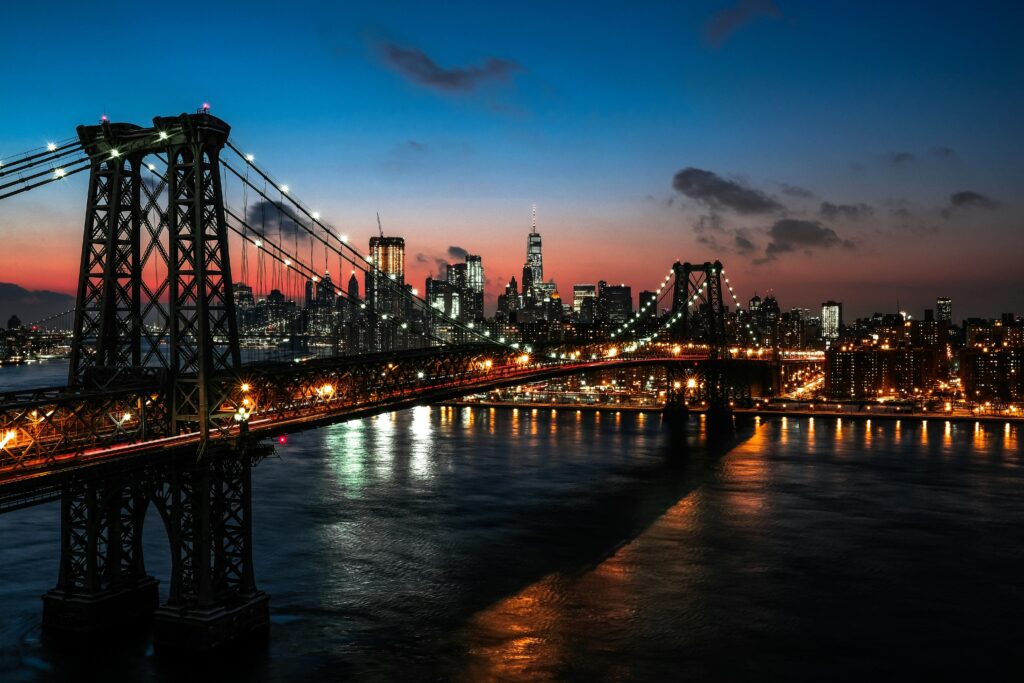
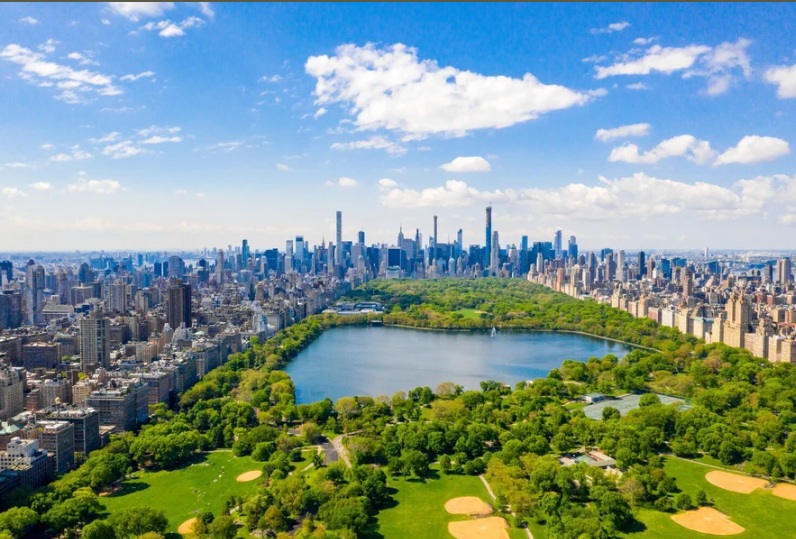
- The Enduring Legacy of the Irish: The mid-1800s saw the arrival of the first significant wave of Irish immigrants, many fleeing the devastating potato famine. Their strength and resilience were instrumental in building the very foundations of the city. The Irish significantly contributed to New York’s burgeoning construction industry, leaving an indelible mark on its skyline. They were the hands and sweat behind monumental achievements such as the Brooklyn Bridge, an engineering marvel completed in 1883 , and the towering Empire State Building, a symbol of American ambition. Even the serene expanse of Central Park, conceived in 1858 as an urban oasis, was meticulously crafted with the significant labor of these dedicated immigrants . Their legacy is etched into the very fabric of New York’s infrastructure.
- Italian Contributions to the Urban Landscape: The early 1900s brought a fresh wave of immigrants, this time predominantly from southern Italy. These newcomers bravely took on arduous and often perilous jobs as urban laborers, contributing significantly to the city’s foundational infrastructure. A prime example of their labor is the sprawling subway system, which revolutionized urban transit upon its opening in 1904. The cultural imprint of Italian Americans remains vibrant and palpable in areas like Arthur Avenue in the Bronx, which continues to flourish as a testament to their enduring heritage .
- Eastern European Jewish Resilience and Enterprise: Between 1881 and 1924, a substantial migration of Eastern European Jews sought refuge and opportunity in New York. They quickly established thriving communities and entrepreneurial ventures, notably making significant contributions to the city’s prominent garment industry . Today, the rich cultural tapestry of Williamsburg, Brooklyn, is particularly evident in its large and vibrant Orthodox Jewish community, a testament to their lasting presence and communal strength.
The Great Migration and the Harlem Renaissance:
Beyond the European migrations, another transformative movement shaped New York’s cultural landscape. From the 1920s onwards, the “Great Migration” saw a massive exodus of Black Americans from the Jim Crow-era South. Fleeing systemic discrimination and violence, they sought not just economic opportunity but fundamental freedom and dignity in the North . Harlem, a vibrant neighborhood in Manhattan, became a powerful cultural haven for this community, igniting the legendary Harlem Renaissance . This epochal movement was a crucible of creativity, witnessing an explosion of innovation in music, literature, visual arts, and cuisine. The Great Migration laid the foundational rhythm for New York’s distinctive and globally influential music culture, giving birth to iconic genres like jazz and bebop , sounds that continue to reverberate through the city’s soul.
Puerto Rican Journeys and Latin American Vibrancy:
In 1917, a pivotal moment arrived when Puerto Ricans were granted U.S. citizenship, opening pathways for significant migration to the mainland in pursuit of economic opportunities . Many settled in New York, and East Harlem, affectionately known as Spanish Harlem, became a densely populated and culturally rich hub for this community . The enduring vibrancy of Latino culture is exemplified by beloved establishments like Lechonera La Isla and Tornita’s in Williamsburg, which serve as essential cultural meeting points and culinary havens for the diverse Latino communities across the city .
New York Today: The Quintessential Global City:
New York City, often hailed as the “quintessential global city,” continues to solidify its position as a powerhouse across various domains in 2025. Its enduring influence stems from a unique blend of economic might, cultural diversity, international connectivity, and a vibrant urban landscape.
Economic Prowess: New York remains a titan of the global economy. Wall Street, home to the New York Stock Exchange (NYSE) and Nasdaq, solidifies its role as the world’s financial heart. The city’s Gross Metropolitan Product (GMP) is estimated at around $2 trillion, exceeding the economies of many countries. Beyond finance, New York is a leading hub for technology, media, advertising, and healthcare, attracting businesses and investors from across the globe.
Cultural Melting Pot: With over 8 million residents speaking more than 800 languages, New York is arguably the most linguistically diverse city in the world. This incredible multiculturalism fosters creativity, innovation, and a rich tapestry of cultural experiences. From Broadway theaters and world-class museums like The Metropolitan Museum of Art and MoMA, to diverse neighborhoods celebrating various heritages, New York’s cultural scene is a major draw for both residents and millions of tourists annually. The city also hosts international events like the Tribeca Film Festival and New York Fashion Week, further cementing its cultural capital status.
Global Connectivity and Leadership: New York’s three major airports (JFK, LaGuardia, and Newark Liberty) connect the city to hundreds of international destinations, facilitating trade, tourism, and cultural exchange. The presence of the United Nations headquarters underscores New York’s critical role in international diplomacy, bringing world leaders together to address global issues.
Challenges and Evolving Dynamics (as of July 2025): While New York’s global standing is undeniable, it faces ongoing challenges. Affordability, particularly housing costs, remains a significant concern, leading some residents to explore more affordable alternatives in suburban areas or other states. Despite this, the city’s population has seen recent growth, driven in part by a surge in international migration. Quality of life ratings from residents show a decline compared to pre-pandemic levels, though there’s been some recovery. However, bright spots include satisfaction with neighborhood parks and cultural activities, which have fully rebounded.
Current News and Events (as of July 27, 2025):
- Legal News: Former TNA wrestling star Trenesha Biggers (Rhaka Khan) was arrested in Midtown Manhattan today for criminal trespass, violating an eviction order.
- Music: Blackpink’s Rosé announced that the group is the first K-pop girl band to perform at New York City’s Citi Field stadium, following their concert last night as part of their “Deadline” world tour.
- Arts & Culture: The Whitney Museum of American Art in New York is currently showcasing “Collection View: Louise Nevelson,” an exhibition of the iconic sculptor’s works (through August 10).
- City-wide Events:
- NYC Restaurant Week is underway (July 21 – August 17), offering specially priced prix-fixe menus at hundreds of participating restaurants across the five boroughs.
- NYC Public Outdoor Pools are open for the season (June 27 – Labor Day weekend).
- Various Summer Stroll and Sidewalk Sale events are taking place in different boroughs.
New York City’s ability to constantly adapt and evolve while maintaining its core strengths in finance, culture, and international relations ensures its continued status as a truly quintessential global city.