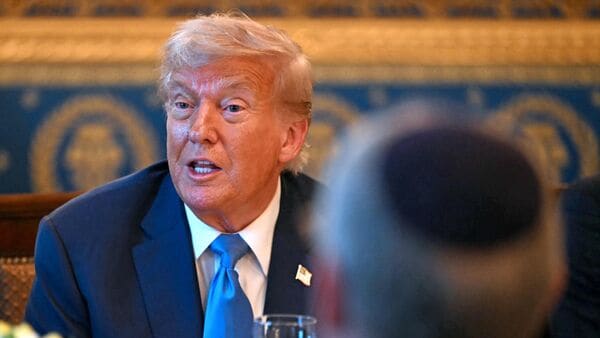
The global geopolitical landscape is witnessing one of the most complex power plays in recent history. At the heart of this turmoil is the ongoing war in Ukraine, the deepening rift between Western powers led by the United States and Russia, and the intricate network of alliances and trade relations among major world economies. One of the key battlegrounds in this multilayered conflict is the economic front, with sanctions being a primary weapon used by the West, particularly the Trump administration’s affiliates, to apply pressure on nations trading with Russia. India, a major player in the BRICS alliance and a significant consumer of Russian crude oil, stands at the crossroads of these tensions. This blog explores how former US President Donald Trump and his allies are allegedly seeking to cripple the Indian economy through tariffs and secondary sanctions, the hypocrisy and contradictions inherent in the West’s approach, and the broader implications for India and the global order.
Trump’s Apparent Hostility Towards India
Contrary to public perceptions of camaraderie during Trump’s presidency, there is a growing narrative, supported by voices from within the US political landscape, that Trump does not favor India. Instead, he wants to punish the country economically. This is highlighted by controversies over tariffs and sanctions aimed at coercing India away from its trade engagements with Russia—primarily the purchase of crude oil from Russian sources which India refines and then sells globally.
Sources reveal that Trump’s strategy involves economic warfare rather than military aggression, attacking India through tariffs, sanctions, and trade pressure. A notable US senator openly advocated a “crush and punish” approach towards India because of its continued purchase of Russian crude. This aggressive stance aligns with wider NATO and Western efforts to isolate Russia and its allies economically but disproportionately targets India as a “soft target” since it is economically intertwined with Russia.
The Sanction Regime: Hypocrisy of the West
Europe, led by the EU, has sanctioned Indian entities like the Nayara refinery in Gujarat, primarily because of its investment links with Russian oil major Rosneft. However, this selective punishment ignores glaring contradictions. The EU itself continues extensive trade with Russia, primarily in natural gas imports, and relies heavily on Russian consumers for luxury goods exports. This reveals the duplicitous nature of the sanctions regime: on one side, the EU claims to punish Russia, but on the other, it thrives on the economic benefits derived from Russian trade.
Countries such as Switzerland and others in Europe clandestinely import Russian gold, routing it indirectly through nations like the UAE and Central Asian players to avoid detection, sustaining the Russian economy despite official sanctions. This selective enforcement and the West’s double standards highlight the realpolitik of economic sanctions: they are less about justice and more about maintaining Western dominance and penalizing emerging powers like India and China.
Russia’s Resilience Against Western Sanctions
When Russia invaded Ukraine in 2022, the Western powers were confident of quickly crippling the Russian economy. The US and its allies imposed unprecedented sanctions—over 16,000 restrictions—banning many major Western brands including Apple, McDonald’s, and Starbucks from operating in Russia. Even Russian airspace was closed off to many airlines. However, nearly three years later, Russia remains far from defeated.
Russia fought back by abandoning reliance on the US dollar and shifting to a gold standard tied to the ruble. As a heavy gold producer—the world’s second largest after China—with an annual output of over 320 metric tonnes in 2023, Russia strengthened its currency stability against Western financial pressures. The Russian economy grew by 3.6% in 2023, and Western consumer goods remain widely available in Russian markets due to support from countries like China, which has set up massive warehousing and supply networks along the Sino-Russian border to facilitate the flow of goods.
This economic resilience—including Russia’s discounted export of oil and natural gas to China—undermines the efficacy of the sanctions and exposes the limits of American and European economic warfare.
India’s Strategic Position and Economic Challenges
India’s complex position in this geopolitical chess game stems from its strategic engagement with Russia. Despite US pressure and threats—such as proposals for 100% tariffs on Indian goods by some US senators—India has continued to purchase discounted Russian crude oil, refining it domestically and exporting it on the global market. This indirect trading relationship with Russia makes India a crucial pivot in the global oil economy and a target for pressure tactics.
The EU’s sanction on Nayara refinery attempts to curb this by penalizing Indian companies with Russian links, but such moves also risk damaging India’s own economic interests and raise questions about the fairness of these punitive actions. Since India is a member of BRICS alongside Brazil, Russia, China, and South Africa, it shares the collective interest of reducing dependency on the US dollar and Western financial systems. Countries like Brazil and China are increasingly conducting trade in local currencies rather than dollars, threatening the US’s ability to impose sanctions effectively.
The Declining US Economic and Political Influence
Trump’s leadership is facing increasing scrutiny and criticism within the US and internationally. His popularity has waned dramatically due to economic issues such as inflation, recession fears, and tariff battles—especially with China. The political and economic fallout from these policies contributed to a record high disapproval rating for Trump, weakening his bargaining power on the world stage.
US allies in Europe and North America are reluctant partners at best, cooperating only when it suits their immediate interests. The West’s inability to bring Russia to heel, the growing independence of BRICS countries, and the rise of alternate economic pathways pose a serious challenge to US hegemony and the dominance of the dollar in world trade. Senator Marco Rubio explicitly warned that if countries increasingly abandon the dollar for bilateral currency deals, America will lose its sanctioning power and global financial supremacy.
The Future: Secondary Sanctions and Economic Warfare Against India
Given the geopolitical stalemate in Ukraine and the failure to aggressively isolate Russia through primary sanctions, the West is turning to secondary sanctions. These sanctions target countries like India and China that trade with Russia, seeking to cut off their access to Western financial systems and markets.
India faces continuous warnings and threats from the US and NATO members about increasing tariffs and sanctions. American negotiators arriving in India are signaling tougher economic demands and an expectation that India align with the Western pressure campaign. However, India’s historical experience, geopolitical strategy, and economic imperatives make it cautious about capitulation.
India also has the potential to leverage its technology, such as UPI (Unified Payments Interface), to create robust international payment systems independent of the dollar, positioning itself as a leader in an emerging multipolar global economy. This implies that India must remain economically strong and geopolitically savvy to withstand the coming challenges.
The Broader Geopolitical Implications
This clash between Western-led sanctions regimes and the economic realignments by BRICS and allied countries represents a fundamental shift in global power structures. The US and Europe are no longer able to dictate terms unilaterally. Emerging powers like India, China, and Russia are increasingly asserting economic sovereignty and resisting the coercion of sanctions.
The lessons from Russia’s resilience and India’s balancing act offer a blueprint for other nations navigating this turbulent era. Political friendships and alliances are increasingly transactional and interest-based, with economic self-preservation driving national policies.
Should India Trust the US?
This is a critical question echoed repeatedly in the current discourse. Despite diplomatic niceties and public pronouncements of friendship, the economic realities reveal a starkly different picture. America’s longstanding tilt towards Pakistan, the relentless pressure through tariffs and sanctions, and the increasingly hostile rhetoric from US politicians about India’s Russia trade highlight a relationship fraught with mistrust.
India’s best path forward lies in strengthening its own economy, investing in technological infrastructure, and forging diversified global alliances that do not leave it vulnerable to Western economic blackmail. The India-US relationship, though complex and potentially beneficial, cannot be predicated on blind trust given recent developments.