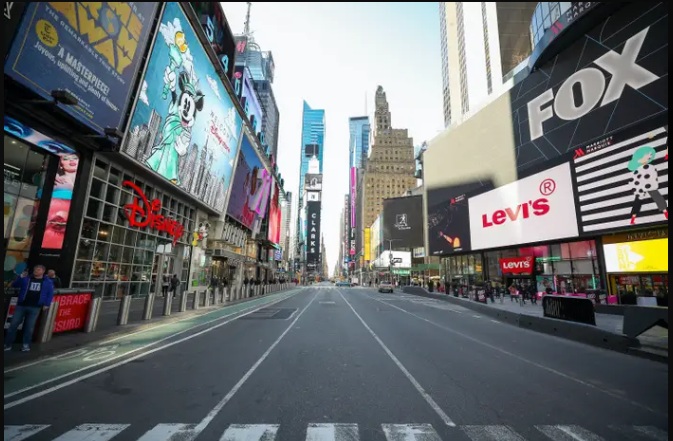
Across the United States, an alarming trend is quietly reshaping cities and economies once buoyed by booming tourism. From the bustling streets of New York to the sun-soaked beaches of Los Angeles and tourist-packed national parks, tourism—a cornerstone of the American economy—is facing a severe and largely unreported collapse. This is not a fleeting downturn but a profound crisis with deep roots and far-reaching consequences.
They’re not coming anymore. Tour buses are disappearing, hotel rooms lie empty, and once-thriving downtown areas echo with silence. Business owners whisper the same chilling phrase in hushed tones: “They’re not coming anymore.” This hidden crisis is not just hurting isolated businesses; it threatens to dismantle the economic and cultural fabric of entire communities across the country.
The Gravity of the Tourism Collapse
Tourism in the United States has traditionally been a powerhouse industry, supporting millions of jobs and generating billions in economic activity. However, recent data from 2025 reflects a staggering $12.5 billion drop in international visitor spending compared to the previous year. This plunge is not a minor dip but a full-scale collapse that is hitting iconic tourist destinations hard.
Cities such as Orlando, Las Vegas, Miami, and New York—once flooded with international tourists snapping photos and filling restaurants—are now struggling with drastically reduced foot traffic. Luxury hotels are slashing rates while restaurants cut back hours, and neighborhoods dependent on tourism dollars risk becoming ghost towns. This economic hemorrhage is more than a seasonal blip; it’s a red flag signaling deep structural problems within the U.S. travel ecosystem.
Airport Terminals Half-Empty, Flights Cutting Back
Despite airports reopening fully and travel restrictions easing globally, the number of travelers arriving in the U.S. is falling sharply. In March 2025 alone, inbound international travel to the U.S. dropped by 11.4% compared to March 2024. Airlines have cut routes, and tour operators are scaling back packages.
Major source markets like China, Germany, Brazil, and even the nearby Canadian market have retracted significantly. Canadian visits plummeted by a dramatic 40% in May 2025. This is particularly worrying because Canada has historically been one of America’s strongest tourism partners.
Why are visitors staying away? The reasons are multifaceted:
- High airfare prices, making travel to the U.S. prohibitively expensive.
- A strong U.S. dollar, which reduces the purchasing power of foreign tourists.
- Lengthy visa wait times and bureaucratic hurdles.
- A growing perception of unwelcomeness or safety concerns due to issues like gun violence.
- Inflation and broader global economic instability.
Together, these factors are creating significant friction in a travel market that used to be welcoming and vibrant.
Economic Ripples: Job Loss and Community Decline
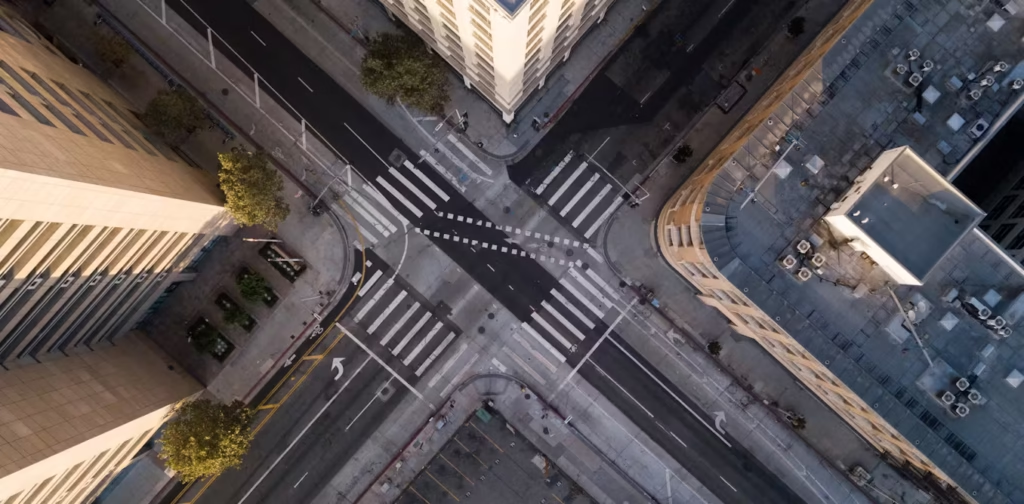
Beyond the tourism sector itself, the economic ripple effects are severe. Hotels, restaurants, souvenir shops, small museums, and even local transportation sectors are struggling to stay afloat. Entire cultural programs funded by tourism dollars are fading into oblivion.
For cities like Honolulu, Miami, and San Francisco—where tourism revenue isn’t just a bonus but a lifeline—missing a single tourist season can devastate local jobs and tax income. What happens if the decline continues into 2026 or beyond? The survival of these cities’ economies is genuinely at risk.
The tourism collapse threatens:
- Job losses in hospitality, retail, and cultural sectors.
- Declining tax revenues crucial for funding schools, infrastructure, and public services.
- The erosion of local identity and community vibrancy as tourist-dependent districts hollow out.
The Loss of Key Source Markets
The crisis is aggravated by the retreat of the world’s biggest spenders—international travelers from economically influential countries. China once accounted for over $15 billion in annual U.S. tourist spending. That number is now less than half, as Chinese tourists choose destinations in Thailand, Australia, and the Middle East instead.
Germany, the United Kingdom, Brazil, and Canada are pulling back hard. These shifts are not random but strategic and tied to complications ranging from visa policies to geopolitical tensions. The disappearance of these key markets punches a hole in the local economies of major U.S. cities, causing tour operators to shut down packages and airlines to slash routes.
The loss of these visitors is a blow not just to revenue streams but also to the broader reputation of the United States as a welcoming tourist destination.

Political and Policy Barriers: The Self-Inflicted Wounds
Underpinning many of these challenges are policies and political decisions that have inadvertently strangled the tourism industry. While some external factors are beyond control, the impact of bureaucratic bottlenecks, visa restrictions, and inconsistent regulation has been profound.
Examples include:
- Lengthy visa wait times driving potential visitors away.
- Confusing and restrictive short-term rental regulations that cripple local tourism-dependent economies.
- Immigration backlogs hampering the availability of foreign workers crucial to hospitality services.
- Complex housing rules discouraging new development and labor force accommodation.
In some regions, these policies have led to stalled construction projects, reductions in international student intakes, and small renter markets hitting crisis points.
The Canadian Parallel: Domestic Travel Masks Deeper Troubles
While the video primarily focuses on the U.S., it draws a parallel with Canada’s tourism challenges which mirror many of America’s issues. In Canada, domestic travel appears strong—airports and highways are busy, and national parks sell out. But international tourism has not rebounded to pre-pandemic levels.
Specifically, travel from China and Europe remains subdued, and even Americans—a crucial market for Canada—are holding back due to economic pressures and perceptions of safety.
This domestic travel surge, largely fueled by pent-up demand and savings, is fragile. Rising interest rates and record debt loads could quickly collapse domestic demand, exposing tourism-dependent cities in Canada to a painful loss of revenue and jobs.
Hospitality Workforce Shortages: The Invisible Crisis
A critical factor exacerbating the tourism collapse is the severe labor shortage in the hospitality sector. Many tourism businesses are unable to operate at full capacity, not from lack of demand but due to a lack of available staff.
Across major cities like Vancouver, Toronto, and Banff, and even in smaller towns, businesses face empty beds and understaffed restaurants. The pandemic accelerated a mass exodus of frontline workers who sought new careers, relocated, or left the industry permanently.
Today, thousands of jobs remain vacant for hotel cleaners, chefs, event coordinators, and tour guides. Even generous incentives such as sign-on bonuses or housing assistance haven’t stemmed the shortfall.
The result is worsening guest experiences and tarnished reputations that threaten future bookings. Tour operators have begun cutting Canada from their itineraries; conferences skip cities, and cruise ships report underwhelming service.
This is more than a labor issue—it’s a national credibility crisis that could cost millions of dollars and entire towns their economic lifelines.
Urban and Regional Economic Strain: Beyond Tourism
The tourism crisis is part of a broader pattern of economic strain affecting many American and Canadian communities tied to single industries. From auto manufacturing in Windsor, Ontario, to lumber towns and mining regions, these places are feeling precariously exposed.
When a core economic driver falters—due to automation, trade shifts, or declining demand—the fallout is catastrophic, triggering:
- Job losses in related sectors.
- Diminishing household incomes and spending.
- Increasing property vacancies.
- School closures and reduced public services.
Such socioeconomic stress deepens inequalities and depresses regional growth. Without adequate support or transition plans, entire towns risk becoming economically irrelevant or, worse, abandoned.
What Lies Ahead: Can America Escape the Crisis?
The hidden tourism crisis is not just a finance story but touches the very heart of American identity and global stature. The U.S. faces losing its status as a top global tourist destination, with profound consequences:
- Lower tourism revenues imperil jobs in several million American households.
- Less tax income shrinks funding for vital community services.
- Economic downturn in once-thriving cities spreads to real estate, retail, and transportation sectors.
Unless policymakers, industry stakeholders, and community leaders act decisively to address visa policies, travel affordability, perceptions of safety, and workforce shortages, the decline could accelerate.
Calls to Action:
- Streamline and expedite visa issuance to attract and retain international visitors.
- Address the affordability of air travel and accommodation through incentives or competitive regulation.
- Foster a welcoming and safe environment to counter negative perceptions.
- Invest in hospitality workforce development and incentives.
- Support tourism-dependent urban and rural economies with targeted investment and transition strategies.
Conclusion: The Silent Crisis Demands Attention
Tourism is far more than sightseeing and vacations. It’s a vital economic engine that supports millions of American families and local governments. The hidden collapse of this industry is a warning siren. Without awareness and immediate intervention, America risks losing a critical pillar of its economic, social, and cultural life.
The message is clear: “They’re not coming anymore” is a reality we cannot afford to ignore. As citizens and global travelers, awareness is the first step to rebuilding and revitalizing tourism in America.